
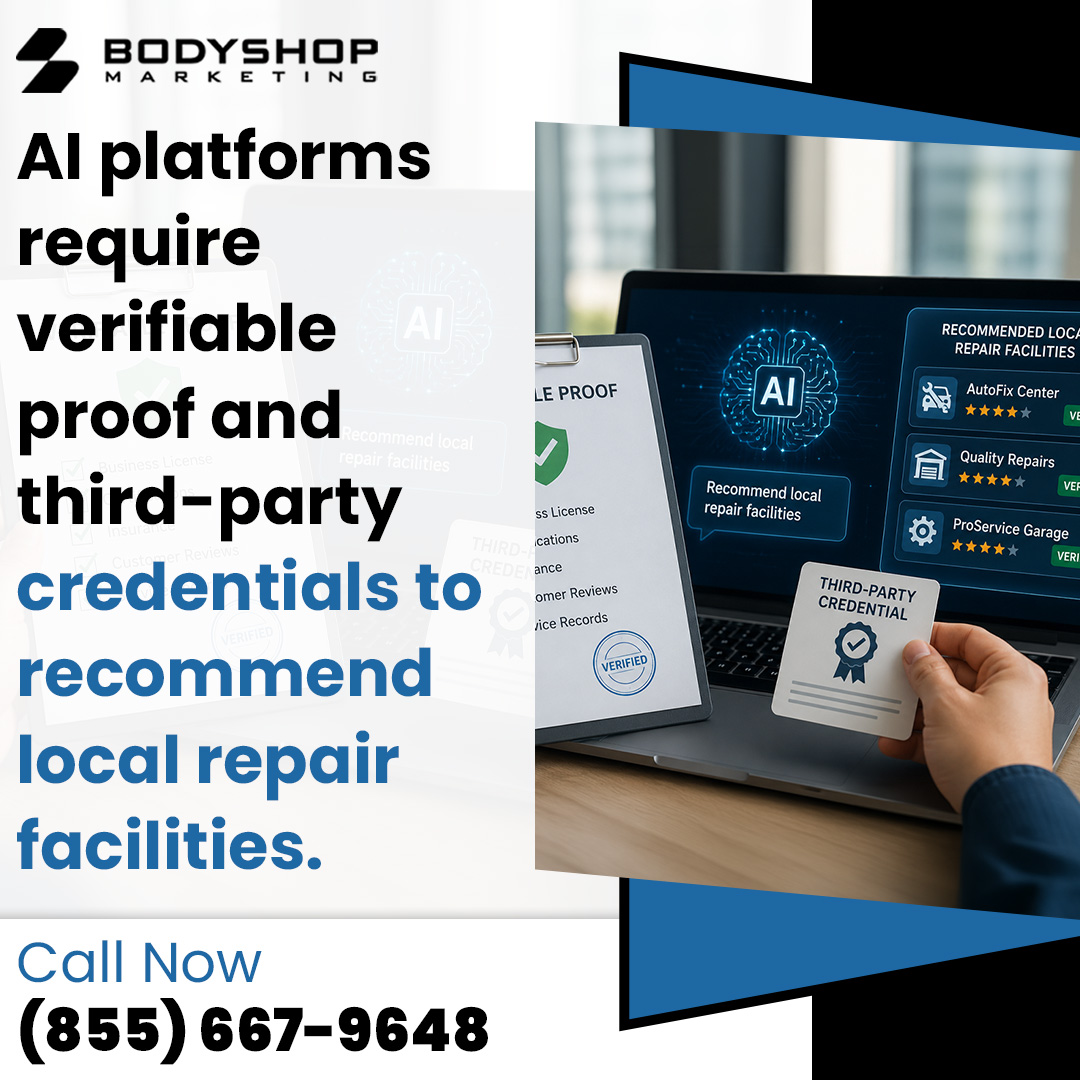
Auto body shops build AI-recommendable trust signals through visible certifications, before-and-after repair documentation, authorship on website content, and mentions from local press or industry groups, giving AI tools independent proof of credibility. Trust can't just be claimed; it has to be demonstrated through specific, verifiable details scattered across a shop's website. BodyShop Marketing holds every client's marketing to that exact standard when building trust signals into their strategy.
Why Do Certifications and Badges Matter for AI Trust Signals?
Certifications matter because they're issued by a third party, not the shop itself, which gives an AI tool independent confirmation of a shop's qualifications. Industry certifications like I-CAR Gold Class or ASE credentials tell both customers and AI systems that a shop meets a recognized standard, rather than relying on the shop's own claims about quality.
Displaying these certifications clearly on a website, not buried in a footer, gives search engines and AI tools an easy detail to reference when forming an answer about which shop to recommend.
How Does Before-and-After Photo Documentation Build Trust?
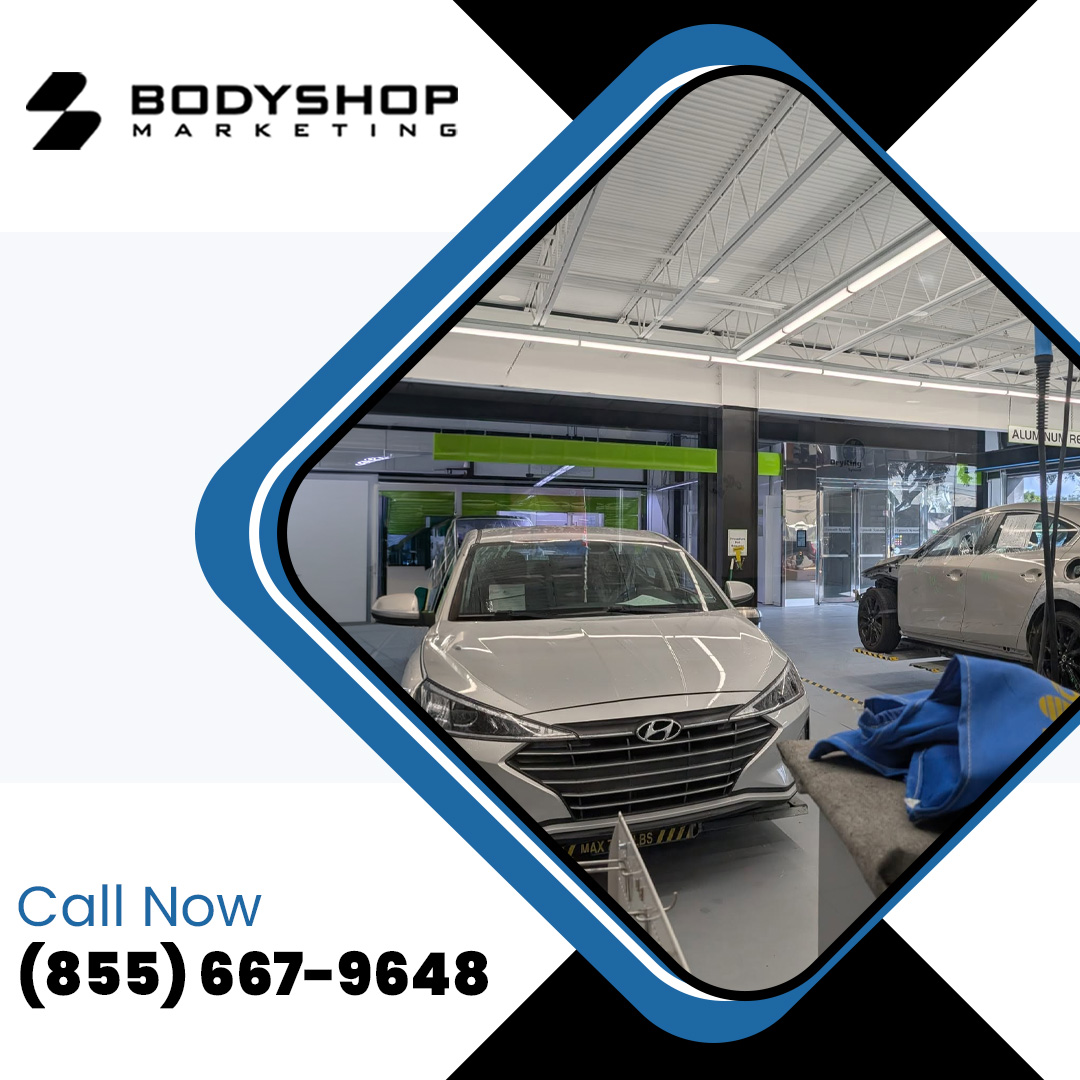
Photo documentation works because it shows evidence rather than just describing a claim. A gallery of real repair jobs, showing the damage and the completed work, gives visitors and AI tools something concrete to reference rather than a generic statement like "quality repairs guaranteed."
This kind of documentation supports collision repair digital marketing because it's the type of specific, visual evidence that separates one shop's site from a competitor's generic service page.
Does Having an Author Byline on Website Content Actually Help?
Yes, authorship matters more than most shop owners realize. When website content is tied to a specific person, ideally someone with real experience in the auto body industry, it gives the content a clearer source that both readers and AI tools can evaluate.
A shop page written under a named expert's byline, with a short bio explaining that person's background in the industry, sends a stronger trust signal than unattributed, generic text with no clear source behind it.
What's the Difference Between a Generic Page and One Built for Trust?
A shop moving from the left column to the right column is building exactly the kind of body shop online visibility that AI tools reference when forming a recommendation.
What Are Practical Ways to Start Building These Signals?
A few starting points for any shop owner ready to build trust signals into their website:
- List current certifications (I-CAR, ASE, manufacturer-specific training) on the homepage and About page
- Build an ongoing before-and-after photo gallery, updated with new completed jobs
- Add a short author bio to service pages, tied to a real technician or manager
- Reach out to local news outlets or industry associations for coverage or membership listings
- Keep all of the above updated regularly, since outdated signals lose credibility over time
These starting points reflect how we approach digital marketing for auto body shops at every stage, not just as one-time fixes but as ongoing habits. Shops that invest in SEO services for body shops built around these trust signals tend to see stronger, more consistent visibility across both traditional and AI-driven search.
Frequently Asked Questions
How many certifications should a shop display to build trust?
There's no fixed number. What matters more is that displayed certifications are current and relevant to the services a shop actually offers.
Do customer testimonials count as a trust signal separate from reviews?
Yes, written testimonials with a customer's name and specific details can work alongside review platforms, though both should reflect real customer experiences.
Should older repair photos be removed from a gallery over time?
Not necessarily, but mixing in recent work alongside older examples shows a shop is actively operating and completing new jobs.
Ready to Build Real Trust Signals for Your Shop?
Trust signals take consistent effort, but they compound over time. BodyShop Marketing helps auto body shops put these pieces in place the right way. Reach out to our team at (855) 667-9648 or email hello@bodyshopmarketing.io to get started.